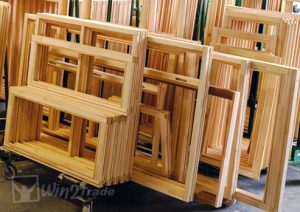
Le choix du bois est une étape cruciale dans tout projet de menuiserie fenêtres. Parmi les essences les plus populaires, le pin se distingue par sa résistance, sa facilité de travail et sa disponibilité. Mais faut-il opter pour du pin massif ou du pin abouté ? Voici les différences.
Finger-jointed pine – efficiency and stability in wooden windows
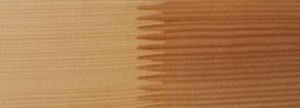
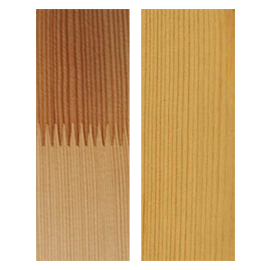
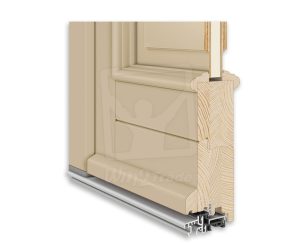
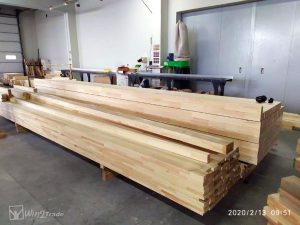
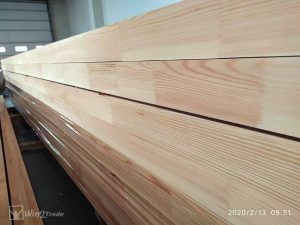
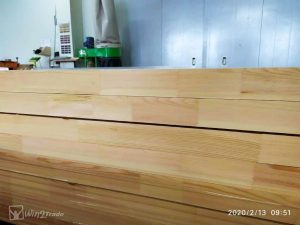
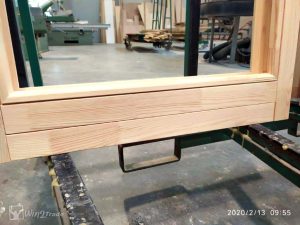
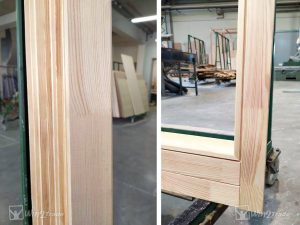
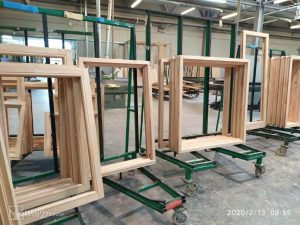
Finger-jointed pine consists of flawless pieces of wood joined together with joints that are imperceptible
to the touch but visually visible. This makes it suitable for:
- Painted, opaque finishes
- Projects where the natural appearance of the wood is not a priority
- Window joinery requiring both: high durability and cost-effectiveness
Solid pine – for premium joinery
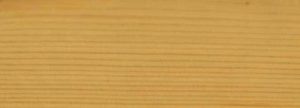
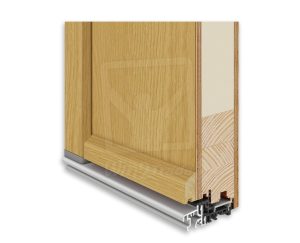
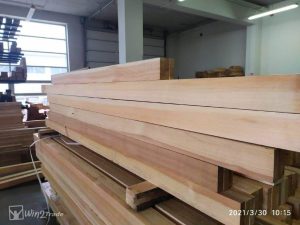
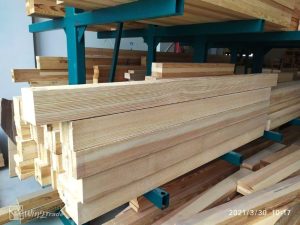
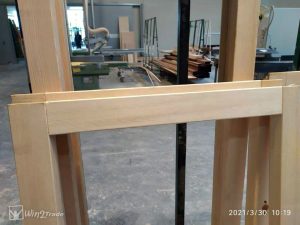
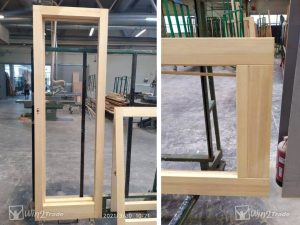
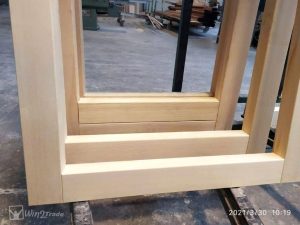
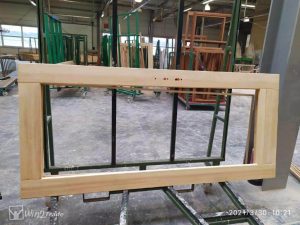
Laminated solid pine consists of long lamelas of wood without visible joints, making it an ideal choice for:
- Transparent finishes: stains, varnishes
- Projects that showcase the natural beauty of wood
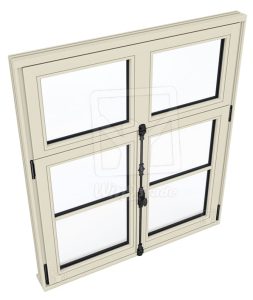
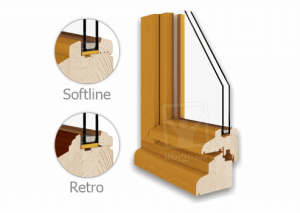
- Elegant wooden windows, ideal for characterful homes or carefully renovated buildings.
Which wood should you choose for joinery?
Finger-jointed pine
- Finish: opaque paint
- Aesthetics: visible joints
- Dimensional stability: very good
- Recommended use: painted windows
- Cost: more economical
Solid pine
- Finish: stain, varnish, natural
- Aesthetics: uniform appearance
- Dimensional stability: excellent
- Recommended use: windows with a natural finish
- Cost: higher
Finger-jointed pine (Micro)
 |
 |
 |
 |
 |
 |
Solid pine
 |
 |
 |
 |
 |
 |